
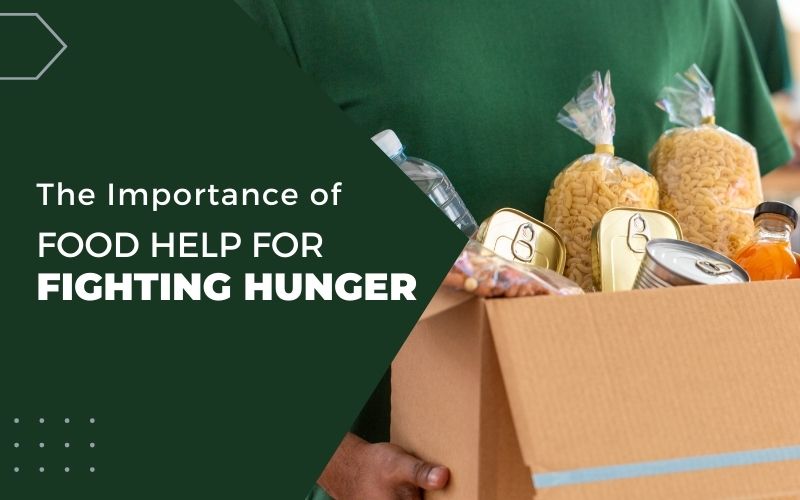
Hunger is one of the most pressing issues facing our world today. Despite advances in technology and agriculture, millions of people still struggle to access enough nutritious food daily. Food help initiatives play a critical role in addressing this global challenge, providing support to vulnerable populations and promoting healthier, more sustainable communities. Understanding the importance of food help is essential for anyone interested in making a positive impact.
Addressing Immediate Needs
Food help programs provide immediate relief to individuals and families who are struggling to meet their basic nutritional needs. For people living in poverty, the elderly, children, and those affected by disasters, access to food can be a matter of survival. Donations to food banks, soup kitchens, and community pantries ensure that these individuals have consistent access to meals, reducing hunger and preventing malnutrition.
Supporting Vulnerable Populations
Certain groups in society are particularly vulnerable to food insecurity. Children require proper nutrition for growth and development, while the elderly may face health challenges that make it difficult to obtain or prepare food. Food help initiatives specifically target these populations, ensuring they receive the nutrition necessary to maintain health and well-being. By addressing these critical needs, food assistance programs contribute to stronger, more resilient communities.
Promoting Health and Nutrition
Hunger is not just about a lack of food—it’s often about a lack of nutritious food. Food help programs focus on providing balanced meals that include essential vitamins and minerals. Proper nutrition is vital for cognitive development in children, disease prevention, and overall health. By supplying wholesome food, these initiatives help break the cycle of poor health and malnutrition, enabling individuals to lead more productive lives.
Combating Social Inequality
Food insecurity often disproportionately affects marginalized and low-income communities. By supporting food help initiatives, society can take steps toward reducing inequality. Ensuring that everyone has access to sufficient, nutritious food promotes social equity and provides opportunities for individuals to thrive regardless of their economic background.
Building Stronger Communities
Food help programs also strengthen social cohesion by creating networks of support within communities. Volunteers, donors, and local organizations come together to address hunger, fostering a sense of shared responsibility. Community kitchens, school feeding programs, and local food drives encourage collaboration and empathy, cultivating a more compassionate society.
Encouraging Sustainable Practices
Many food help programs are now focused on sustainability. Initiatives such as food rescue, surplus distribution, and community gardens reduce food waste while feeding those in need. These efforts not only help combat hunger but also promote environmentally responsible practices that benefit society as a whole.
How You Can Make a Difference
Everyone can contribute to the fight against hunger. You can support food help initiatives by:
- Donating to local food banks or charities
- Volunteering at soup kitchens or community food drives
- Supporting organizations that focus on sustainable food distribution
- Raising awareness about food insecurity in your community
Even small contributions can make a significant difference in the lives of those struggling with hunger.
Conclusion
Food help is essential for combating hunger, promoting health, and supporting vulnerable populations. Beyond providing immediate relief, these programs foster community solidarity, reduce inequality, and encourage sustainable food practices. By participating in food help initiatives, each of us can play a role in creating a world where no one goes hungry and everyone has access to the nutrition they need to thrive.
Supporting food help programs is more than charity—it’s an investment in a healthier, fairer, and stronger society. Your contribution, whether through time, resources, or awareness, can change lives and bring hope to those who need it most.