
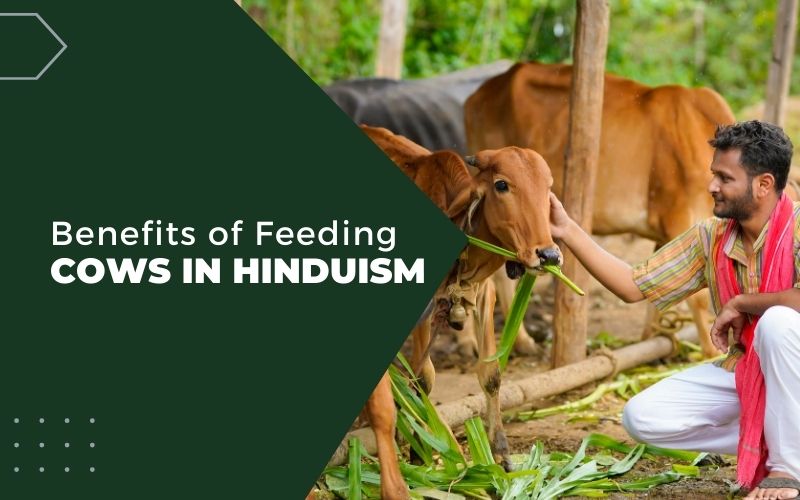
Feeding cows holds a special place in Hindu culture and tradition. In Hindu belief, cows are considered sacred animals and are often associated with purity, kindness, and prosperity. The benefits of feeding cows in Hinduism go beyond providing food; it is also a way of expressing gratitude, spiritual devotion, and promoting positive energy in life. Many people believe that caring for animals, especially cows, brings blessings and harmony to their household.
Spiritual Importance of Feeding Cows
In Hindu philosophy, feeding cows is seen as a sacred and selfless act. It is believed that serving cows helps remove negative karma and promotes spiritual growth. People perform cow feeding as a part of their religious practices, especially during festivals, special occasions, or personal prayers.
Many devotees believe that offering food to cows pleases divine forces and brings peace of mind. The act represents humility, compassion, and respect for all living beings. It teaches individuals to live in harmony with nature and practice kindness in daily life.
Brings Good Karma and Blessings
One of the major spiritual benefits of feeding cows is the belief in earning good karma. According to traditional teachings, helping animals and performing charitable acts create positive spiritual energy.
People believe that feeding cows can help reduce life challenges and bring success, happiness, and protection from negative influences. It is often performed by those who wish to improve their spiritual well-being and lead a balanced life.
Cultural Significance in Indian Tradition
Cows have always been an important part of rural and cultural life in India. In earlier times, cows were valued for providing milk, manure for farming, and other essential resources. Because of this historical connection, cows are treated with great respect.
Feeding cows also reflects social values such as compassion and responsibility toward animals. Many families continue this tradition by giving food like grass, grains, or chapati to cows, especially in temples or near homes.
Promotes Peace of Mind and Emotional Satisfaction
Helping animals and practicing kindness can have a positive impact on mental health. Feeding cows gives emotional satisfaction and creates a feeling of spiritual connection.
Many people experience inner peace after performing this simple act of kindness. It encourages mindfulness and helps reduce stress by focusing on positive actions.
Symbol of Prosperity and Good Fortune
In Hindu tradition, cows are often associated with wealth and prosperity. It is believed that taking care of cows and feeding them invites prosperity into the household.
Some people perform cow feeding rituals before starting new businesses, buying property, or beginning important life events. This practice is considered a way of seeking divine protection and success.
Teaching Values of Compassion and Non-Violence
Feeding cows promotes the values of compassion, kindness, and non-violence. It encourages people to respect animals and understand their importance in the ecosystem.
Children who learn about these traditions grow up with a sense of responsibility toward nature and living creatures. Such cultural practices help build a more humane and caring society.
Environmental and Social Benefits
Cows contribute to agriculture and rural sustainability. Feeding cows indirectly supports animal welfare and environmental balance.
When people take care of animals, it helps maintain biodiversity and promotes ecological harmony. Many religious organizations and community groups organize cow feeding programs as part of social service.
Common Foods Offered to Cows
People usually feed cows simple vegetarian food items. Some commonly offered foods include:
- Fresh grass and green fodder
- Wheat or rice chapati
- Grains and vegetables
- Jaggery mixed with flour
- Special cow feed available in local markets
It is important to ensure that the food given is safe and suitable for cows.
When Should You Feed Cows?
There is no strict rule about timing, but many devotees prefer feeding cows in the morning. Some people also feed cows on special days such as religious festivals, birthdays, or family celebrations.
Consistency is more important than the specific timing. Even small and regular acts of kindness are considered spiritually meaningful.
Simple Way to Practice Cow Feeding
You do not need to perform complicated rituals to feed cows. Follow these simple steps:
- Prepare fresh and safe food for cows.
- Find a cow shelter, temple area, or local place where cows are present.
- Offer food with respect and a positive mindset.
- Spend a few moments expressing gratitude.
The intention behind the act is considered more important than the quantity of food offered.
Conclusion
Feeding cows is a meaningful tradition that combines spirituality, culture, and compassion. It reflects the value of kindness toward animals and promotes positive thinking in life.
In Hindu belief, this practice is associated with good karma, prosperity, and inner peace. Whether done as a religious ritual or a voluntary act of kindness, feeding cows helps strengthen the connection between humans, nature, and spirituality.
By adopting this simple practice, people can contribute to animal welfare while also preserving cultural traditions that promote harmony and respect for life.